Lubrication for Space and Vacuum: Why PFPE Greases Lead the Way
Vacuum, oxygen, extreme cold and radiation: what space programs and test facilities need from a lubricant, and the strengths and limits of PFPE greases.
Space programs around the world, including Türkiye’s fast-growing satellite, sounding rocket and test facility work, face a problem no factory floor ever sees. The lubricant has to work for years in a vacuum without evaporating, freezing or contaminating the sensitive surfaces around it.
What makes lubrication in space so hard?
Vacuum: Without air pressure, ordinary oils evaporate quickly. The evaporated molecules can condense on cold surfaces such as optics, sensors or solar panels and contaminate them. This is called outgassing.
Temperature extremes: The sun-facing side and the shaded side can differ by hundreds of degrees. The lubricant must stay fluid in deep cold without running away in the heat.
No maintenance: You can’t regrease a mechanism in orbit. The lubricant has to work for the whole mission life from the first application.
Oxygen and propellants: Launch systems and test facilities have valves and seals in contact with liquid oxygen, fuels and oxidizers. A hydrocarbon grease can ignite in pure oxygen.
What is PFPE?
Perfluoropolyether (PFPE) is a fully fluorinated synthetic base oil made of carbon, fluorine and oxygen. Thickened with PTFE, it becomes a grease. It has been used in space and aviation for decades because it offers:
- Very low vapor pressure: Minimal evaporation and outgassing in vacuum.
- Chemical inertness: Unaffected by fuels, oxidizers, acids and solvents.
- Oxygen compatibility: Non-flammable, in the class of lubricants used on oxygen lines and valves.
- Wide temperature range: The right grade stays stable from very low to high temperatures.
How is outgassing measured?
Space programs usually screen materials with ASTM E595. The sample is heated in vacuum and two values are measured:
- TML (total mass loss): a common acceptance limit is below 1%
- CVCM (collected volatile condensable materials): a common acceptance limit is below 0.1%
If your program calls for specific outgassing values, ask for the product’s test data at the quote stage.
The limits of PFPE
PFPE is not a cure-all:
- Cost: It is much more expensive than hydrocarbon greases, so use it where it is truly needed.
- Additive solubility: Ordinary additives don’t dissolve in PFPE; properties such as corrosion protection need special formulation.
- No mixing: PFPE should not be mixed with hydrocarbon or silicone greases. Clean surfaces completely when changing over.
- The PFAS agenda: As a fluorinated substance, PFPE may fall within the scope of PFAS regulation. Critical users should follow these developments. We covered the topic in our PFAS and PTFE article.
Ground infrastructure matters too
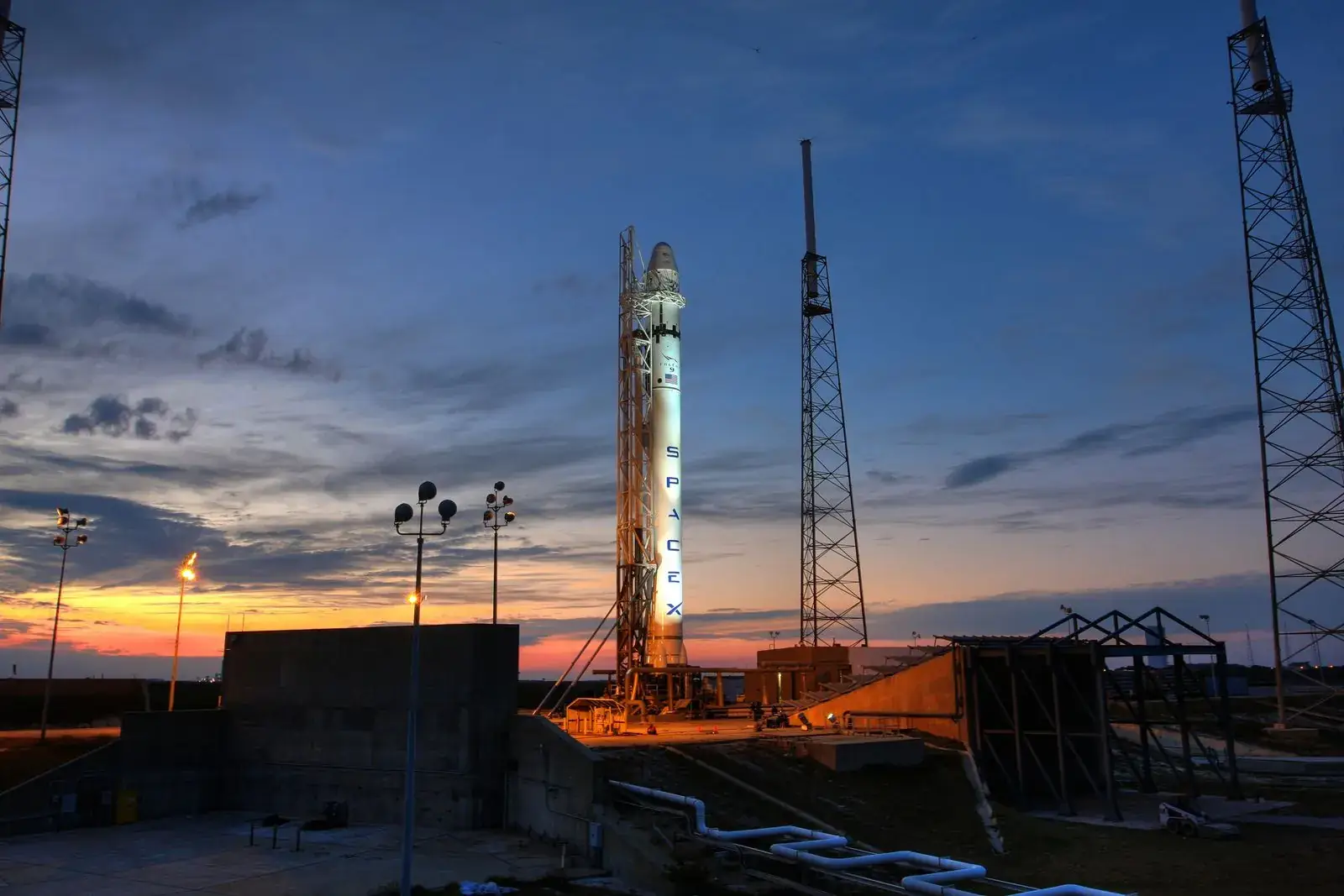
In space programs, lubrication isn’t limited to flight hardware. Thermal vacuum chambers, vibration test rigs, cranes in integration halls, launch pad mechanisms and propellant loading systems all need the right lubricant. Low-evaporation greases suit clean rooms, while corrosion- and water-resistant greases suit outdoor pad equipment.
HUSKEY PF Series
HUSKEY PF Series is a family of greases made from pure PFPE base oils and thickened with PTFE. With chemical resistance, a wide temperature range, low volatility and high load-carrying capacity, it suits vacuum, oxygen and chemically exposed applications.
For flight hardware, product choice always follows the program’s materials list and approval process. For test facilities and ground equipment, our technical team can help you find the best fit.
How Oilsan helps
We supply PFPE greases, low-temperature greases and specialty lubricants to space and defense programs, with technical data and documents provided with the quote. We ship to programs in Türkiye and worldwide.
Explore our aerospace, space and defense solutions or tell us about your application.