

Lubrication Insights
Industry trends, regulations and practical guides from the Oilsan technical team.

MIL-Spec Greases and Oils: A Practical Guide for the Defense Industry
What do MIL-PRF, MIL-S, QPL, NATO codes and “meets the specification” really mean? A lubricant selection guide for defense suppliers and maintenance teams.
Read article →
From Istanbul to the World: How Oilsan Delivers
Oilsan ships specialty lubricants from its Istanbul warehouse to customers across Türkiye and around the world, from a single cartridge to annual stock.

Lubrication in Aviation MRO: 7 Rules for the Hangar and Ground Support Equipment
Grease mixing, traceability, corrosion and ground support equipment lubrication: a practical checklist for aviation maintenance, repair and overhaul teams.
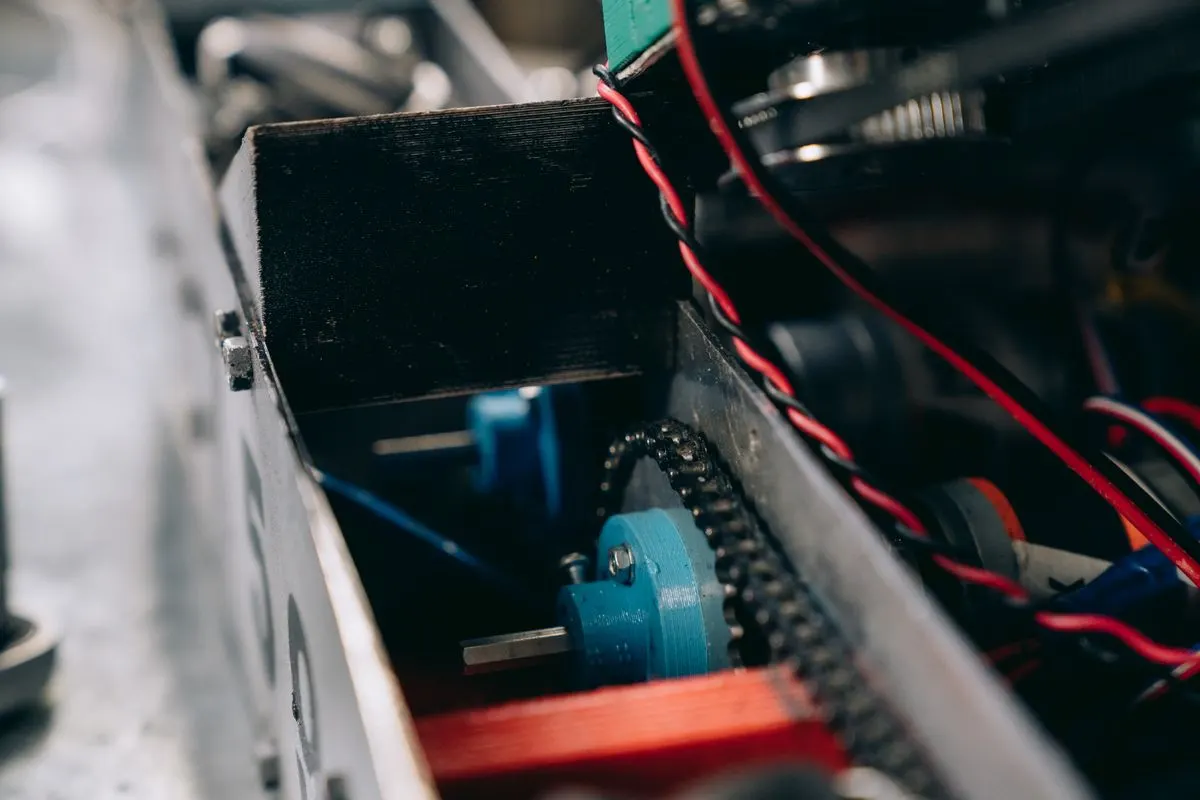
The PFAS Question: What Tighter Rules Mean for PTFE-Fortified Lubricants
Regulators in the US and Europe are closing in on PFAS. Here is what that means for the PTFE greases and oils on your maintenance shelf, and how to plan ahead.

Lubrication for Space and Vacuum: Why PFPE Greases Lead the Way
Vacuum, oxygen, extreme cold and radiation: what space programs and test facilities need from a lubricant, and the strengths and limits of PFPE greases.
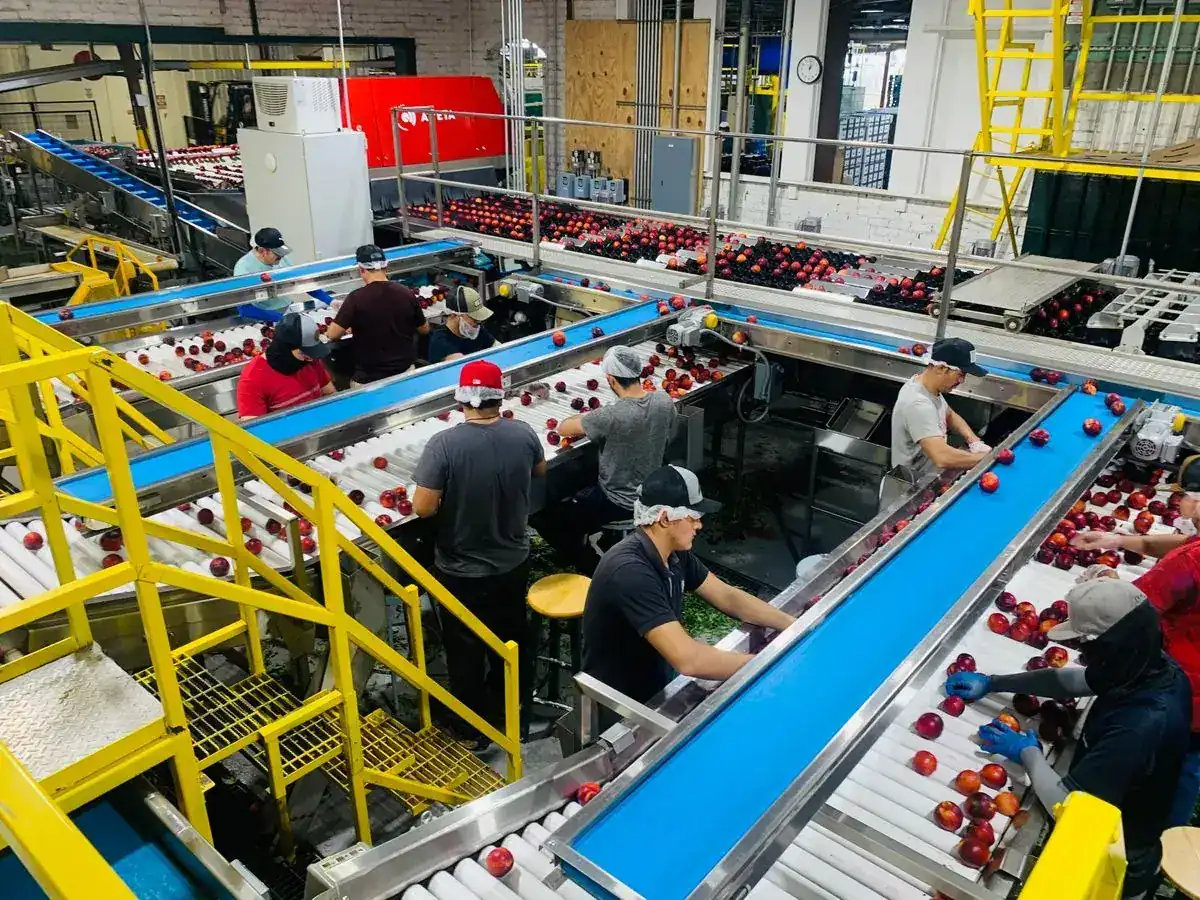
H1, H2, H3: A Plain-English Guide to Food-Grade Lubricants
Lubricant records are now a standard audit item under FSMA. Here is what each NSF category means and how to keep your plant audit-ready.

Bio-Based Lubricants Go Mainstream
Once a niche product, lubricants made from US-grown seed oils now compete on performance. Where they make sense, and where they don't.
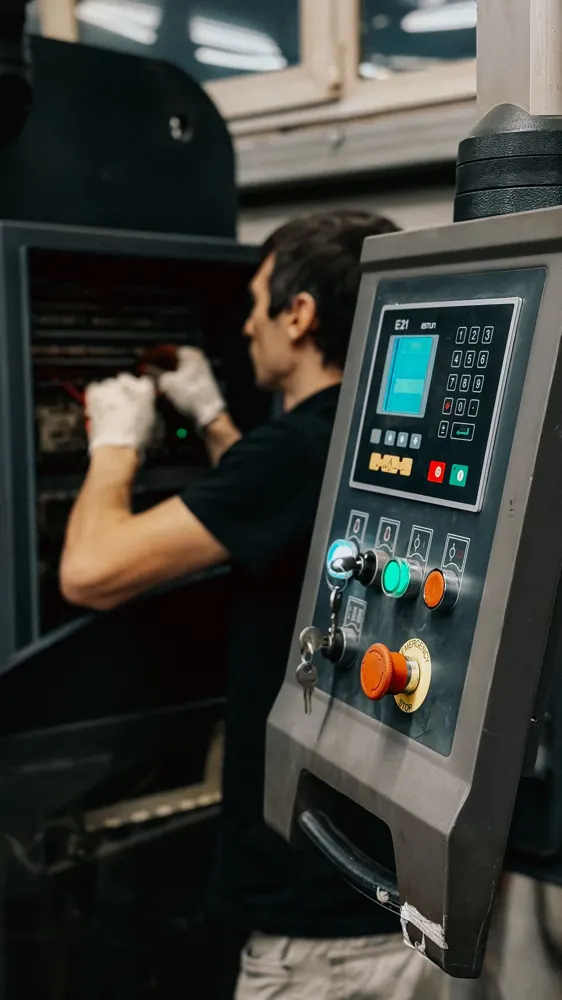
From Oil Samples to Live Sensors: Lubrication in the Predictive Maintenance Era
Inline oil sensors and AI-driven analysis are changing how plants decide when to relubricate. Good lubricant choices matter more than ever.
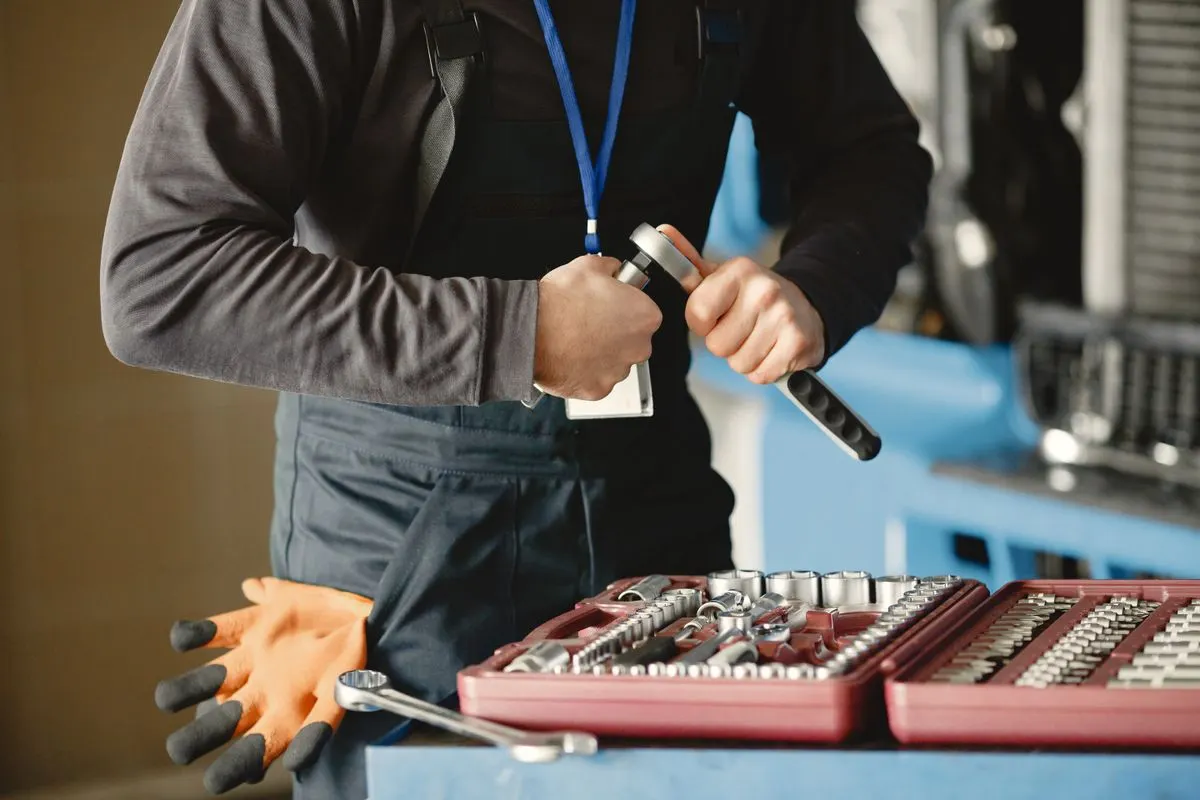
Copper, Nickel, Aluminum or Food Grade? Choosing the Right Anti-Seize
The wrong anti-seize can cause corrosion or contamination. A quick guide to picking the right compound for the job.